


A pickleball paddle can look fine and still feel off on the court. One week, your drives feel crisp. The next, the ball sounds flat, resets float, and power is harder to create.
That is when players ask: is my pickleball paddle dead? This guide explains the signs of a dead pickleball paddle, what else may be affecting performance, and when it may be time to replace your paddle.
Quick Answer: What Is a Dead Pickleball Paddle?
A dead pickleball paddle is a paddle that has lost its original pop, feel, or consistency. It may sound dull, feel soft in the sweet spot, produce less power, or send the ball off the face unpredictably.
Most dead paddle issues come from core fatigue, surface wear, edge damage, or heavy use. If your paddle no longer performs the way it used to, it may be time to replace it.
What Causes a Paddle to Go Dead?
Every dink, drive, block, reset, and overhead puts stress on the paddle face and core. Over time, that impact can change how the paddle responds.
Angel Morales, Chief Development Officer for CORE Athletics and an internationally competitive pickleball player, says players often notice a dead paddle first by feel. The paddle stops giving the same response, and confidence starts to drop.
Common causes include paddle core fatigue, worn surface texture, edge guard damage, moisture exposure, extreme heat, and frequent play.
Signs You Have a Dead Pickleball Paddle
A dead paddle usually gives you several clues. The biggest warning sign is inconsistency.
- The paddle makes a dull or muted sound at contact
- You feel less pop on drives, serves, and counters
- The sweet spot feels smaller or softer than before
- The ball comes off the face inconsistently
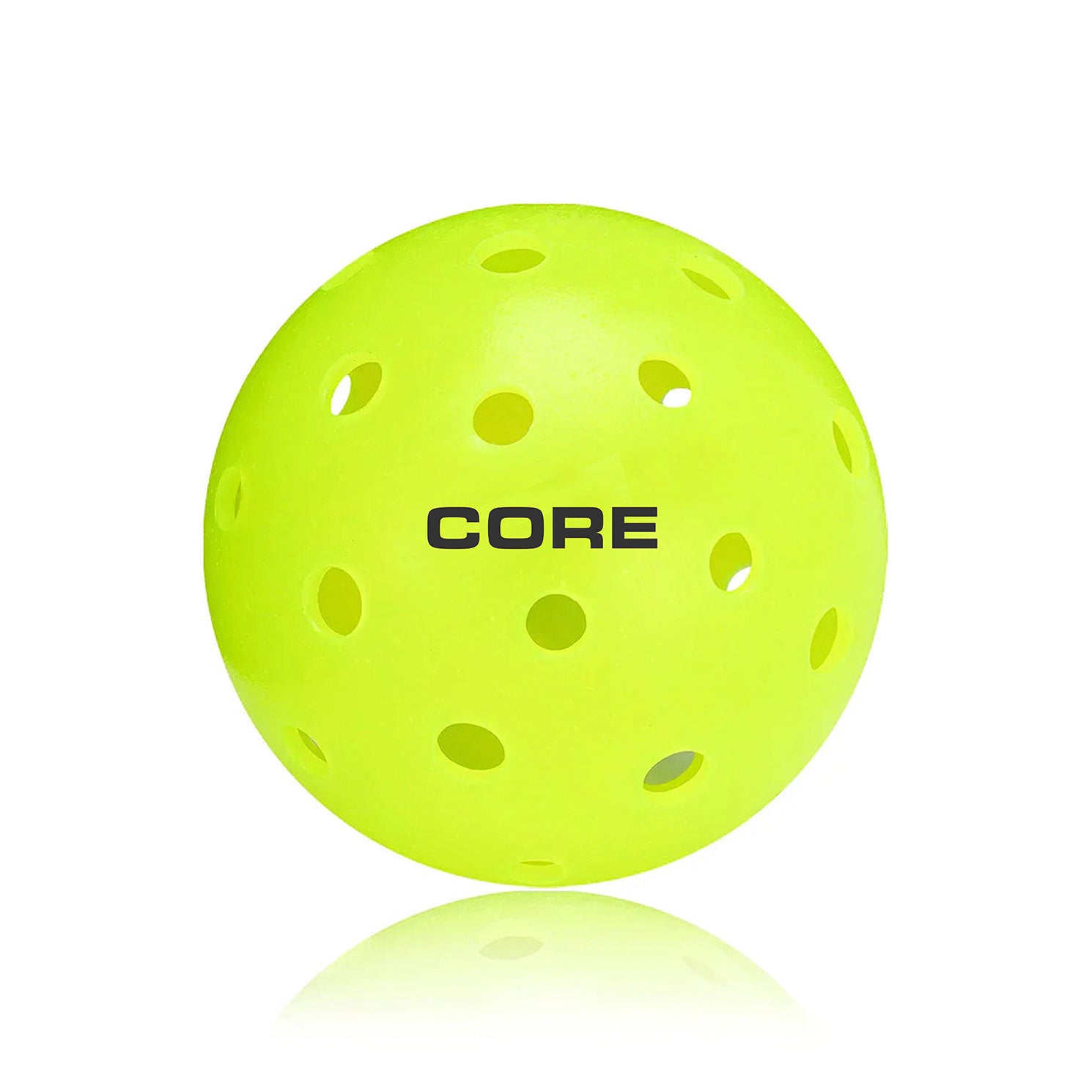
Before blaming your paddle, test it with new pickleball balls. Old indoor pickleball balls or outdoor pickleball balls can lose bounce, crack, warp, or fly inconsistently.
Dead Pickleball Paddle vs. Worn Grip vs. Bad Ball
Not every performance issue means your paddle is dead. Sometimes the problem is a worn grip, tired arm, or old ball.
A slick grip can make the paddle twist in your hand, which hurts control and comfort. A worn pickleball can create strange bounce and flight patterns.
Use a fresh ball, clean the paddle face, check the grip, and hit a few controlled shots. If the paddle still feels flat, the paddle itself may be the issue.

How Long Should a Pickleball Paddle Last?
There is no single lifespan for every pickleball paddle. Lifespan depends on frequency of play, hitting style, paddle construction, paddle weight, storage habits, and how often you compete.
Can You Make a Paddle Last Longer?
You cannot stop paddle wear completely, but good habits can extend durability and preserve performance.
- Store your paddle indoors and away from extreme heat
- Avoid leaving it in a hot car or damp gear bag
- Use the right ball for indoor or outdoor play
- Replace the grip before it affects control
When Should You Replace Your Paddle?
Replace your paddle when it no longer helps you play the way you want to play. If your control drops, your power disappears, or your confidence changes, your gear may be holding you back.
This is also a good time to think about what you want next: more forgiveness, reach, power, durability, or comfort.
FAQs About Dead Pickleball Paddles
How do I know if my pickleball paddle is dead?
A dead pickleball paddle usually feels flat, sounds dull, loses pop, or produces inconsistent shots even when you are using fresh pickleballs.
Can a dead paddle affect control?
Yes. A worn or damaged paddle can reduce control by making the ball come off the face unpredictably.
Do pickleball paddles lose power over time?
Yes. Repeated impact can reduce core response, which makes the paddle feel less powerful than it once did. However, should the core become crushed, or surface delaminated, it will actually make the paddle feel extremely powerful and uncontrollable.
Final Takeaway: Trust the Feel
A dead paddle does not always look broken. Often, it simply stops performing the way you expect.
Listen to the sound, feel the sweet spot, and compare it with a fresh ball. If your paddle no longer gives you control, power, comfort, or confidence, it may be time for a change.